Modernizing Enterprise Resource Planning (ERP) systems is no longer a matter of choice, it is a strategic imperative for businesses striving to remain competitive in a digital-first economy. While traditional ERP platforms once formed the backbone of enterprise operations, many now struggle to support the speed, scale, and intelligence required by modern organizations.
The emergence of cloud ERP modernization initiatives and next-generation ERP platforms offers enterprises a powerful pathway to improve agility, streamline operations, and unlock innovation. Yet ERP modernization is more than a technology upgrade; it is a transformation journey that demands clarity, alignment, and the right execution partner.
ERP has evolved significantly over the years, expanding from basic inventory and financial management systems into platforms that support human resources, customer engagement, and complex supply chains. Despite this evolution, many legacy environments still require legacy ERP modernization to overcome fragmented architectures that operate in silos and limit visibility across the enterprise. These constraints make it increasingly difficult for organizations to gain real-time insights, adapt to change, and fully realize the value of ERP digital transformation.
Understanding Today’s Business Challenges
While ERP systems have been around for decades, many businesses still rely on outdated or fragmented technology stacks that create inefficiencies and limit growth, making ERP modernization a critical priority:
1. Data Silos and Fragmented Processes
Traditional ERP systems often operate in silos, which prevents finance, supply chain, HR, and customer teams from sharing real-time data. This fragmentation slows decision-making and increases operational risk, highlighting the need for cloud-based ERP solutions.
2. Lack of Scalability
As organisations grow, expanding into new markets, launching new products, or adding services, their legacy systems struggle to keep pace with changing requirements. This challenge accelerates the need for ERP migration to cloud platforms that scale effortlessly with business demands.
3. Rising Costs and Technical Debt
Maintaining older systems becomes expensive over time due to upgrades, specialized IT staffing, and patchwork integrations. Many companies invest more in maintenance than innovation, making legacy ERP modernization essential for cost optimization.
4. Limited Visibility and Decision Support
Without real-time insights and analytics, organizations lack the visibility needed to proactively respond to market shifts or internal inefficiencies. ERP digital transformation enables advanced analytics and intelligent decision-making.
5. Security and Compliance Pressures
With more data flowing across digital channels, securing sensitive information and meeting regulatory requirements has become increasingly complex, particularly for organizations that have delayed ERP modernization initiatives.
These challenges are preventing organizations from meeting customer expectations, slowing innovation, and increasing operational risk. Modern ERP strategies are no longer optional; they are essential for long-term success.
Why Modern ERP Matters
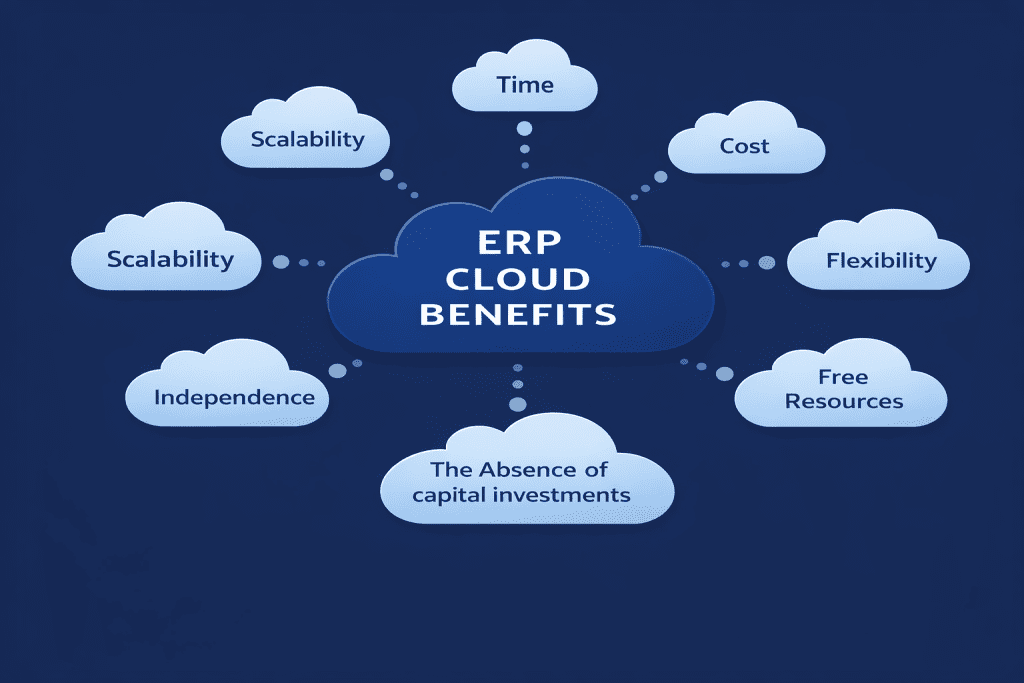
Modern ERP systems, especially those built on cloud ERP modernization principles, deliver advanced capabilities that transform business operations:
✔ Unified, Real-Time Data
Cloud platforms centralize enterprise resource planning systems into a single source of truth, enabling real-time dashboards and analytics.
✔ Enhanced Scalability & Flexibility
Cloud-native architectures support rapid growth without costly infrastructure upgrades, reinforcing the value of ERP migration to cloud.
✔ Lower Operational Costs
Subscription-based cloud-based ERP solutions reduce upfront investments while providing continuous access to innovation.
✔ Integrated Business Functions
Modern ERP platforms eliminate silos by integrating finance, operations, HR, supply chain, and CRM into one cohesive environment.
✔ Improved Security & Compliance
Cloud providers invest heavily in security, compliance automation, and disaster recovery, reducing enterprise risk.
These benefits allow organizations to respond faster to market changes, increase efficiency, and unlock new growth opportunities through ERP digital transformation.
How Prolifics Helps Businesses Overcome ERP & Digital Challenges
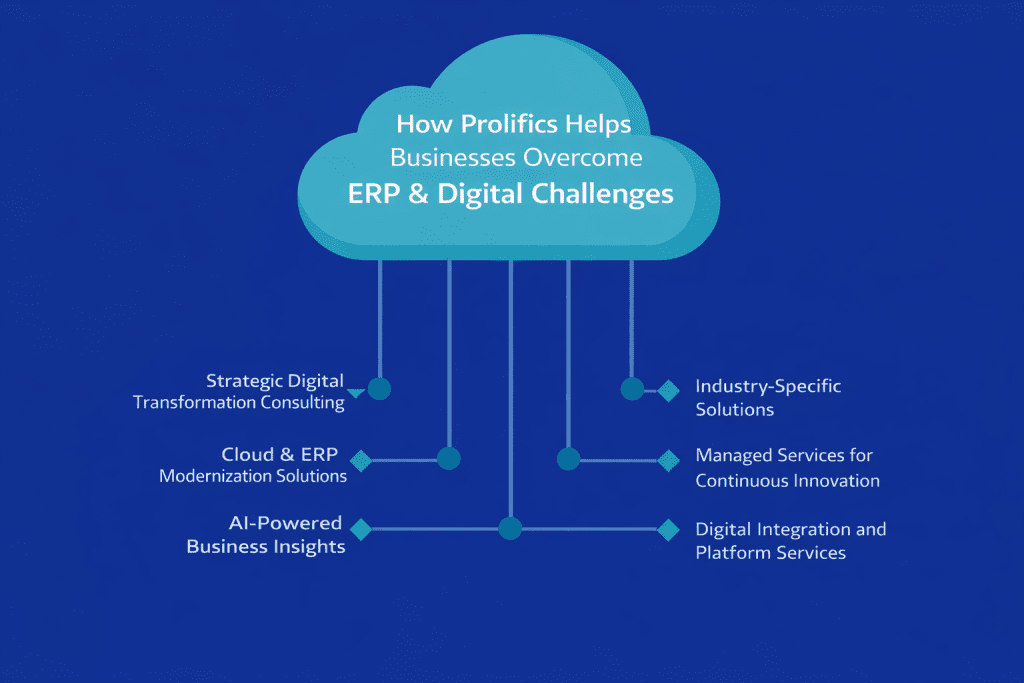
Successfully adopting modern ERP and ERP digital transformation isn’t just about technology, it’s about strategy, execution, and alignment with business goals. Prolifics offers deep expertise in helping organizations navigate complex ERP modernization initiatives:
🔹 Strategic Digital Transformation Consulting
Prolifics partners with organizations to build transformation roadmaps that align technology initiatives with business outcomes. From digital strategy to execution, Prolifics ensures transformation is purposeful, measurable, and aligned with long-term ERP modernization goals.
🔹 Cloud & ERP Modernization Solutions
Whether you’re migrating from legacy systems or implementing cloud ERP modernization initiatives, Prolifics provides expert guidance and hands-on support to accelerate deployment, reduce risk, and maximize ROI from cloud-based ERP solutions.
🔹 AI-Powered Business Insights
Prolifics integrates artificial intelligence and analytics into business systems to surface insights that drive smarter decisions, helping enterprises anticipate trends and respond proactively.
🔹 Industry-Specific Solutions
From healthcare and banking to retail and manufacturing, Prolifics delivers tailored solutions that support legacy ERP modernization while addressing unique industry challenges and regulatory requirements.
🔹 Managed Services for Continuous Innovation
Transformation shouldn’t stop after deployment. Prolifics’ managed services ensure continuous optimization, security, and performance across ERP migration to cloud environments, freeing internal teams to focus on strategic priorities.
🔹 Digital Integration and Platform Services
Prolifics helps connect systems, APIs, and applications, enabling seamless data flow and integrated workflows that strengthen enterprise-wide ERP digital transformation efforts.
These offerings empower businesses to not just adopt modern ERP but thrive in a digital economy, achieving greater efficiency, resilience, and customer satisfaction.
Transformation in Action: What Success Looks Like
Imagine a middle-market enterprise struggling with disconnected finance systems, supply chain delays, and limited visibility. After adopting a structured ERP modernization strategy with Prolifics:
- Real-time dashboards and analytics replace manual reporting,
- Cloud ERP enables secure remote access and lowers infrastructure costs,
- AI-driven predictive insights help optimize demand forecasting,
- Integrated workflows enhance collaboration across departments.
Results in the improved responsiveness to customer demand, higher operational efficiency, and measurable growth in both revenue and customer satisfaction.
Partner with Prolifics for Digital Success
Modern ERP initiatives are complex, but with the right partner, they become transformational. Prolifics combines decades of experience, cross-disciplinary expertise, and a client-first approach to deliver successful ERP digital transformation outcomes. Whether modernizing systems, implementing cloud-based ERP solutions, or unlocking AI-powered insights, Prolifics helps organizations lead and innovate with confidence.
Conclusion
The transition to ERP modernization is no longer a future ambition; it is a current business imperative. Organizations that embrace cloud-native platforms, integrated systems, and strategic execution gain efficiency, resilience, and competitive advantage. With Prolifics as your trusted partner for cloud ERP modernization, AI integration, and ongoing support, enterprises can achieve measurable results and long-term success.
Partner with Prolifics to transform your business – Talk to our experts today.