SAP Joule Agentic AI 2026: Moving Beyond Simple Chatbots to Autonomous ERP
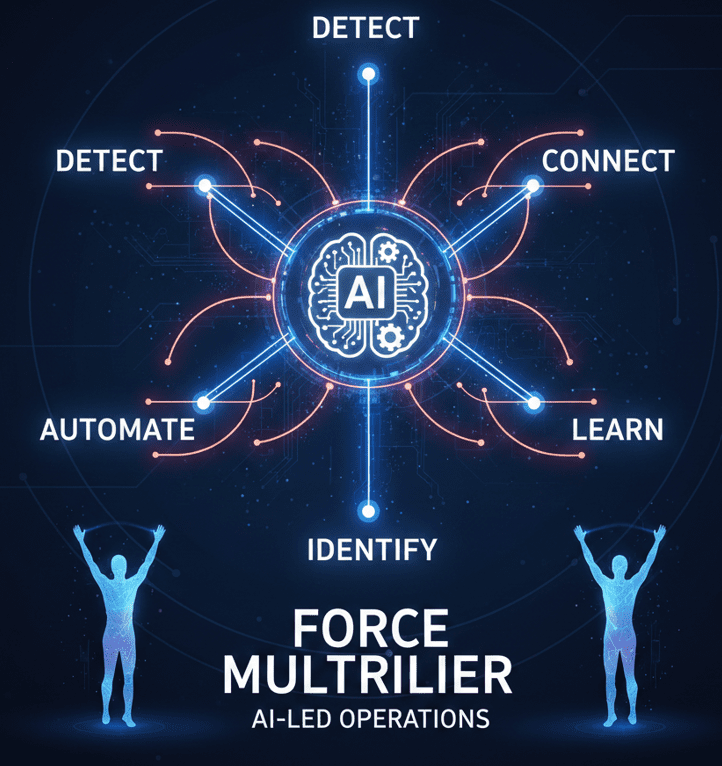
SAP Joule Agentic AI 2026 is redefining how enterprises approach ERP – moving beyond basic automation and chatbots toward intelligent systems that can reason, plan, and act across complex business environments. As organizations seek faster decisions and reduced manual effort, ERP systems require deeper, action-driven AI. SAP Joule Agentic AI enables this shift by embedding agentic intelligence directly into ERP workflows to understand context and take action.
At Prolifics, we help enterprises turn SAP Joule Agentic AI into real business value through intelligent automation, adaptive workflows, and greater operational agility as organizations prepare for Autonomous ERP 2026.
Evolution of Enterprise AI
Enterprise AI has progressed from rule-based automation to machine learning and generative AI. Today, the focus is on intelligent, goal-driven systems capable of reasoning across enterprise data, coordinating workflows, and executing decisions with minimal human input.
Why ERPs Need More Than Traditional Chatbots?
Chatbots are limited to reactive responses and scripted actions. ERP environments demand AI that understands business entities, relationships, and governance rules. Without deep business entity recognition and process awareness, chatbots fail to deliver sustained productivity gains.
Modern ERP systems require AI that reasons over dependencies, validates actions, and executes workflows securely, a core capability of SAP Joule Agentic AI.
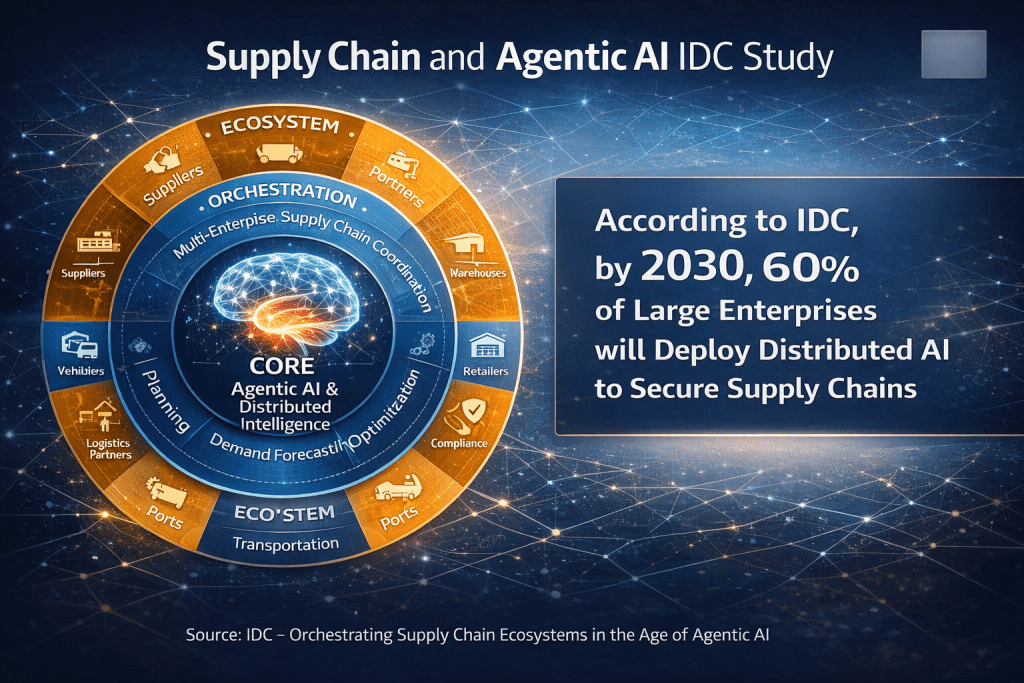
2026 Data Point: Gartner predicts 40% of enterprise applications will include task-specific AI agents by end of 2026 – up from less than 5% in 2025 – making agentic ERP capability a competitive necessity, not a future option.

What Is SAP Joule?
SAP Joule is SAP’s AI-powered business assistant designed to operate across the SAP cloud portfolio. It delivers contextual insights, recommendations, and automated actions directly within enterprise workflows.
Joule is embedded across SAP’s cloud suite, including S/4HANA, SAP BTP, SuccessFactors, Ariba, and Sales and Service Cloud. This deep integration enables real-time enterprise intelligence built on the SAP BTP AI Foundation.
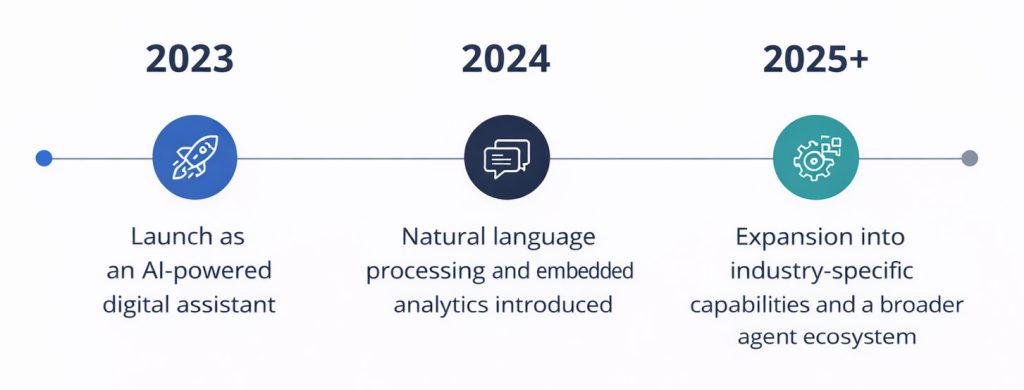
These capabilities continue to expand as part of SAP’s AI roadmap, reinforcing SAP Joule Agentic AI as a cornerstone of next-generation ERP.
What Makes SAP Joule Different?
SAP Joule is embedded natively into SAP’s application ecosystem and built on enterprise-grade data and process intelligence. Unlike conversational tools, Joule is designed to act within workflows, not just respond to prompts.
Its architecture leverages SAP Knowledge Graph reasoning to understand relationships across business objects, enabling AI-driven decisions grounded in enterprise context.
Understanding Agentic AI
Agentic AI refers to autonomous software agents that can plan, reason, and execute tasks independently. Unlike copilots, agentic systems are goal-driven and capable of multi-step decision-making without continuous user input.
This distinction becomes clear when comparing SAP Joule vs. traditional AI agents comparison, where Joule operates inside governed ERP workflows rather than as an external assistant.
SAP Joule’s Agentic AI Architecture
Joule Studio provides the foundation for building and managing custom AI agents. Using the Joule Studio Agent Builder, enterprises define goals, permissions, triggers, and workflows using low-code and no-code capabilities.
SAP supports Multi-agent orchestration SAP, allowing multiple agents to collaborate across finance, supply chain, and HR domains, resolve dependencies, and coordinate actions securely.
2026 Data Point: In Q1 2026, SAP Joule Studio Agent Builder became generally available (GA). SAP’s Cash Management Agent – also GA in Q1 2026 – reduces time spent on manual cash positioning by up to 80% by autonomously analysing daily bank statements and automating reconciliations.
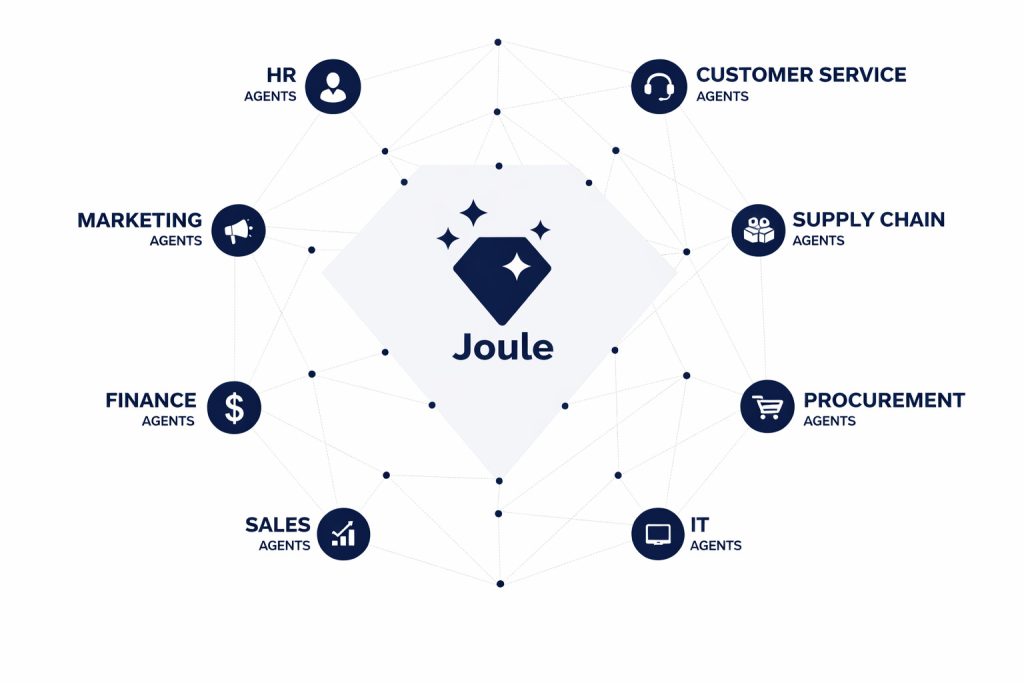
This architecture is powered by SAP Business Data Cloud and semantic intelligence, enhanced with Retrieval-Augmented Generation to ensure responses and actions are grounded in trusted enterprise data.
From Assistants to Autonomous ERP
SAP Joule moves ERP systems from passive systems of record to active systems of execution. In finance, Joule agents automate accruals, reconciliations, and exception handling. In supply chain operations, agents support production planning, supplier onboarding, and disruption management.
These scenarios demonstrate Implementing SAP Joule agents in supply chain and finance as a practical path toward Autonomous ERP 2026, where systems operate continuously with minimal manual intervention.
Transform Operations with an Autonomous ERP
Joule enables context-aware reasoning by understanding enterprise data, governance rules, and business objectives. It supports end-to-end workflow execution across approvals, exceptions, and integrations.
The platform integrates seamlessly with SAP S/4HANA, SAP BTP, and external ecosystems, enabling cross-system intelligence while supporting testing AI agents in SAP S/4HANA for validation, security, and compliance.
Business Impact of Joule + Agentic AI
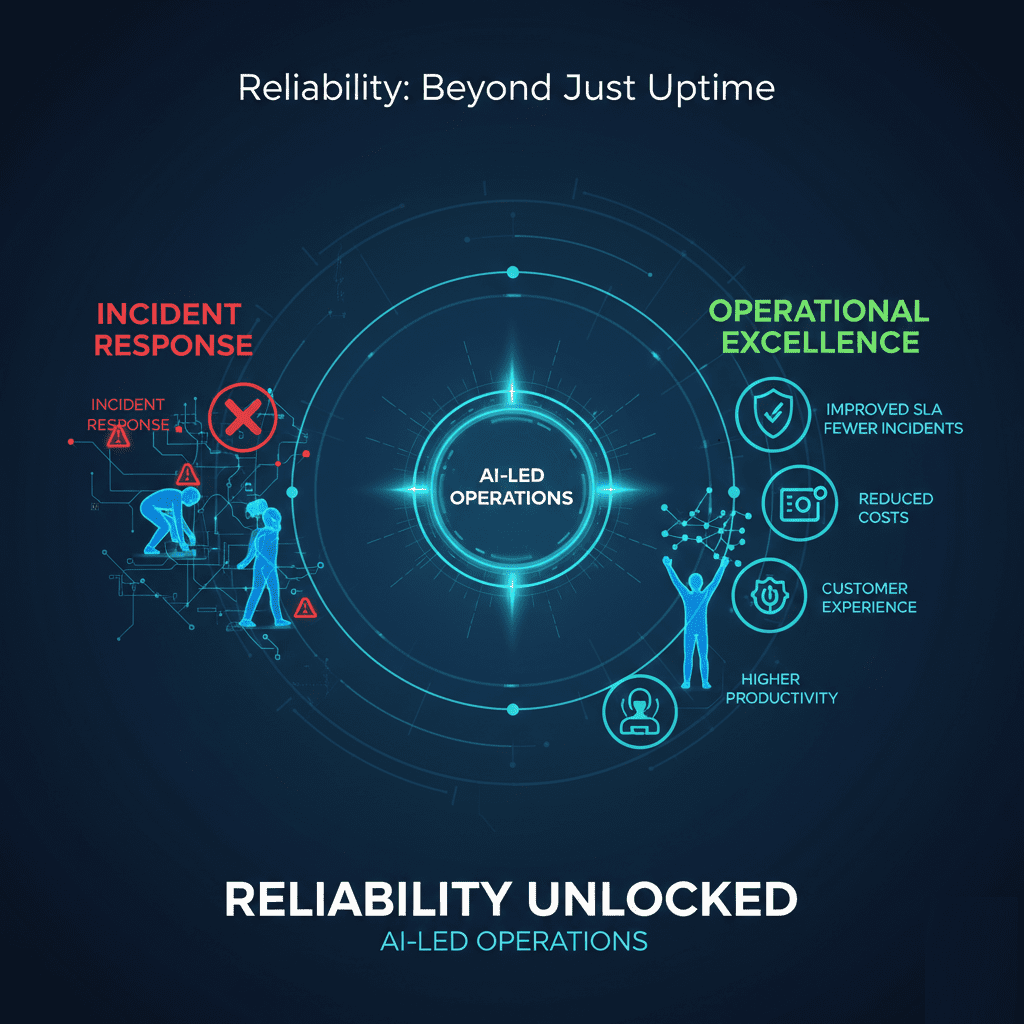
Organizations adopting SAP Joule Agentic AI experience reduced manual work, faster decision-making, and improved operational resilience. Autonomous agents identify issues proactively and respond in real time.
Industry research predicts that up to 80 percent of routine enterprise tasks can be automated through agentic systems, accelerating the shift toward Autonomous ERP 2026.
2026 Data Point: Gartner projects that by 2028, at least 15% of day-to-day enterprise work decisions will be made autonomously through agentic AI – up from 0% in 2024. SAP Joule’s 2026 agent portfolio positions SAP customers to lead this transition ahead of competitors.
Industry-Specific Use Cases
Manufacturers use Joule agents to optimize production schedules and manage supply disruptions. Retail and CPG organizations improve demand forecasting and inventory planning.
Life sciences benefit from compliant automation and research workflows, while oil and gas organizations use Joule agents for asset tracking and logistics visibility, often referred to as “Where is my stuff” scenarios.
Building Your Own Joule Agents
SAP’s Agent Builder enables enterprises to create custom agents using natural language. Users define goals, triggers, and actions without extensive coding.
Agents integrate with existing automations, MCP tools, and custom skills, forming a practical Agentic AI implementation roadmap for Enterprise adoption.
Future of Autonomous ERP with SAP
The future points toward modular AI workforces where specialized agents collaborate across domains. Agent interoperability standards such as A2A and MCP are gaining traction, enabling coordinated enterprise intelligence.
2026 Data Point: At NRF 2026, SAP announced a Storefront MCP server for SAP Commerce Cloud (planned Q2 2026), allowing AI agents to discover products and execute transactions autonomously. SAP’s Agent-to-Agent (A2A) interoperability protocol is also advancing for cross-platform agent coordination.
SAP’s roadmap continues to expand governance, orchestration, and integration capabilities, positioning SAP Joule Agentic AI as a central pillar of autonomous enterprise architecture.
Conclusion
SAP Joule combined with agentic AI represents a fundamental shift in ERP systems, moving from conversational interfaces to intelligent, autonomous execution.
The transition enables higher productivity, faster decisions, and resilient operations. Organizations that embrace SAP Joule Agentic AI today will be best positioned to succeed in an AI-driven enterprise future.
Frequently Asked Questions
What is SAP Joule Agentic AI?
SAP Joule Agentic AI refers to the autonomous agent capabilities built into SAP’s Joule platform enabling ERP systems to plan, reason, and execute multi-step workflows independently across finance, supply chain, HR, and procurement with minimal human intervention.
How is SAP Joule different from a traditional chatbot?
Chatbots respond reactively to prompts. SAP Joule Agentic AI perceives ERP context, plans multi-step workflows, and executes actions across connected SAP systems – acting within governed processes rather than just answering questions.
What SAP Joule agents are available?
Key 2026 launches include the Cash Management Agent (Q1 – 80% time saving on reconciliation), Production Planning Agent (Q1 – autonomously releases production orders), Order Reliability Agent (Q2 – detects fulfilment risks proactively), and Bid Analysis Agent for procurement.
What is Autonomous ERP?
Autonomous ERP refers to ERP systems like SAP S/4HANA powered by Joule that operate continuously with minimal manual intervention functioning as systems of execution, not just systems of record.
What is multi-agent orchestration in SAP?
Multi-agent orchestration in SAP allows multiple specialized Joule agents to collaborate across domains for example, a case classification agent routing a billing dispute to a cash collection agent, completing the full resolution workflow autonomously.